

Login
Disclaimer
A Guide to Running a Holistic Practice in Travel Hotspots
Thursday, November 27, 2025, 02:23 PM
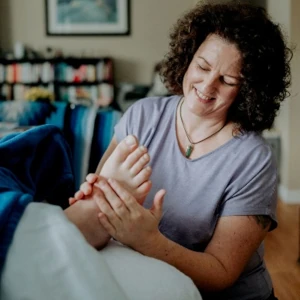
Holistic health practitioners in Canada have a wide range of work environments to choose from. Whether it’s the energy of a bustling city, the calm of a rural town, or the opportunities in a tourist hub, each setting comes with its advantages — as well as important factors to weigh before making the move.
This month, we sat down with Whistler-based NHPC member Sarah Dykstra, a Registered Reflexology Therapist (RCRT™) in Whistler, to talk about the benefits and challenges of working in one of Canada’s most popular tourist destinations as a mobile reflexologist.
Tourism and Wellness Culture
Wellness-focused spa vacations and retreats are becoming increasingly popular, shaping how people understand and engage with self-care.
This growing market creates exciting opportunities for holistic practitioners to reach clients who are actively seeking relaxation and rejuvenation. However, this also poses a challenge: many people still associate wellness with something reserved only for vacations.
In the rush of daily life filled with work, school, family, and responsibilities, intentional self-care can slip to the bottom of the priority list. That’s exactly when stress and burnout peak, taking their toll on body and mind.
Holistic practitioners can help shift this mindset by emphasizing the benefits of regular treatments and supporting clients with thoughtful referrals to other professionals. By doing so, you not only serve tourists during their stay, but also encourage long-term wellness habits.
“Always think about each client as a whole person and suggest other modalities and practitioners that may also benefit them,” Sarah suggests.
Opportunities for Practitioners
Where you practice can shape both your career and lifestyle. In Whistler, nature lovers can truly thrive with endless outdoor activities year-round.
Expand Your Skills
Sarah sees the biggest opportunity as having the chance to develop your skills as a practitioner.
She explains that she sees clients of all ages with varying health concerns. The majority of her clientele (over 80%) are visitors who are touring Whistler. While that comes with its own challenges, it’s also helped her hone her skills and focus her specialty.
“Since you have such a wide range of clientele, you get exposed to a variety of different issues. You learn more about yourself as a practitioner. It’s a place where you can determine your own niche within the modality you practice.”
Grow your Modality
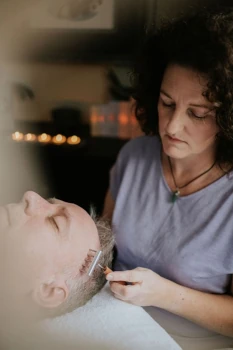
Sarah takes pride in introducing more people to reflexology and encouraging them to explore the different ways it can support their well-being. As the only RCRT™ in Whistler, she is passionate about raising awareness of this practice and the many benefits it offers her clients.
Although reflexology is a lesser-known modality, Sarah enjoys educating clients – especially those who may only be familiar with massage therapy – by highlighting how reflexology complements other treatments and fits seamlessly within a holistic approach to health and wellness.
Create a Career That Fits Your Lifestyle
For those who value work-life balance and getting outdoors, a tourist destination like Whistler is a great place to live.
“It’s great for your time off,” Sarah says. “Beautiful scenery, lots to do. People work hard and play hard. But, due to the seasonal nature of tourist destinations, if you want a solid, regular schedule, maybe working in a tourist town is not the best fit,” she warns.
“You may have to work every weekend, or not always have time off when you want because it is when your business is busiest.”
Tip: Consider if this lifestyle fits your personal priorities. “Ask yourself why you want to move there,” Sarah suggests as a starting point for practitioners who may be considering a move. Even if you love to ski, hike, or spend time outdoors, it can come with a cost.
Build a Network
Living in a destination like Whistler affords the opportunity to grow a unique community. With a local population of less than 20,000 people, those who work in the health and wellness space may become familiar with each other more easily, creating new referral opportunities.
Tip: Collaborate with other practitioners to develop referrals, attend local community events like marathons or markets, and connect with local hotels that may be open to displaying your business cards or brochures.
Challenges for Practitioners
Before choosing a tourist destination for your practice, be aware of the challenges that may arise.
Irregular Schedule and Income
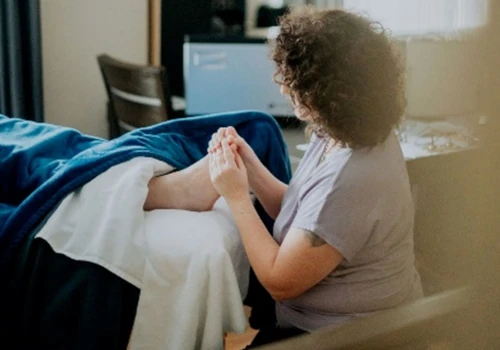
Sarah shares that it can be difficult to grow a steady, regular clientele as Whistler has such a small local population. She relies on tourists for her reflexology business, providing mobile services to clients at their hotels or rentals.
Income can also fluctuate greatly based on the season. Practitioners need to prepare for highs and lows.
Tip: Develop a cancellation/no-show policy that protects your schedule and reinforces the value of your work.
Cost of Living
Many tourist destinations result in a higher cost of living. Especially for practitioners who wish to run their own business or rent a room at a clinic, the cost tends to be higher than other cities. Parking downtown can also pose an expensive challenge.
Tip: Budget carefully and plan for your future. (Check out our podcast for expert advice on managing finances).
Advertising Cost
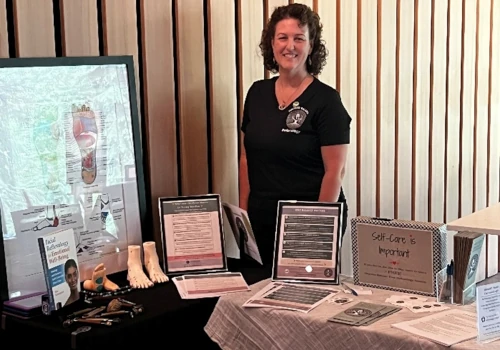
Sarah shares it can be expensive to advertise, especially as a small business competing with bigger competitors fighting for tourists’ attention.
“It can be harder to market reflexology, as it’s still a lesser-known modality than something like massage therapy. It can add another challenge when trying to educate people on what reflexology is.”
Tip: Utilize social media marketing and lean into local partnerships.

Access to Products and Services
Proximity to regular supply chains can also have an impact on a practitioner’s ability to purchase products or even access printing services. “If you need any professional products, you have to drive two hours to Vancouver. So, there’s no just popping out at lunch to pick up anything you might have run out of,” Sarah laughs.
Tip: Plan ahead and source reliable suppliers.
Avoid Burnout
As in any environment, be sure to prioritize your own self-care and well-being. You can burn out anywhere, but if you’re just starting to grow your business, it can be easy to overlook your own needs in the hustle.
Tip: Schedule regular breaks and block out personal time in your calendar just like you would for client appointments.
Connect with Sarah

Sarah Dykstra is the owner of Focused Balance, a mobile reflexology service in Whistler, BC, specializing in foot and facial reflexology. She is a proud member of the NHPC and Reflexology Association of Canada (RAC) and welcomes you to connect with her on Facebook and Instagram.
How else would you encourage clients to prioritize wellness year-round? Let us know at communications@nhpcanada.org!