

Login
Disclaimer
Holistic Health Practices to Help Migraines and Headaches
Thursday, January 22, 2026, 01:48 PM
Migraine Canada estimates five million Canadians live with migraines, the second most common primary headache disorder. Luckily, holistic health practices can help!
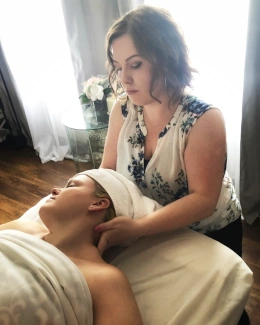
Migraines are a neurological disorder where you may experience throbbing head pain, neck tension, hypersensitivity to light, nausea, and more. A headache is a symptom of a migraine.
Migraines may be categorized by their frequency, symptoms, and medical factors. They can last for hours or even days at a time.
While migraines require additional support through medication or lifestyle changes, holistic health therapies may help address the symptoms and improve your daily life.
Craniosacral Therapy
Craniosacral therapy is a growing practice that manipulates soft tissues and the flow of cerebrospinal fluid.
It's a relaxing and non-invasive practice where practitioners use their hands to release built-up tensions within the body, associated with the craniosacral system.
A 2022 study found that craniosacral therapy was effective in improving pain, frequency of episodes, functional and overall disability, and medication intake in migraineurs.
Another study displayed promising results, indicating that craniosacral therapy and myofascial relaxation techniques reduced migraine headache and drug consumption, while also increasing range of motion in the cervical region.
Research is a great way to help patients learn more about the benefits and credibility of holistic health practices, such as craniosacral therapy.
Myofascial Release
Myofascial release is a specialized hands-on therapy that has been found to help with tension-type and cervicogenic headaches.
Myofascial release practitioners find rigid and fixed spaces within the fascial tissues and apply light pressure and stretching to loosen these spaces and alleviate pain.
While the study results were inconsistent for migraine improvement, these results are promising for relieving other types of headaches.
Manual Trigger Point Therapy
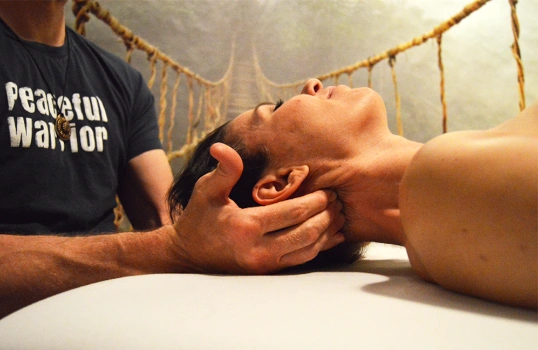
Manual trigger point therapy is another technique that can improve neck pain and range of motion in patients for tension-type headaches. While tension headaches may occur separately from migraines, they can still have a significant impact on daily life.
Trigger points develop when there is a disruption to the natural contraction and relaxation of muscles caused by structural imbalances, trauma, or overuse. The therapy combines compression, stretching, and acupressure techniques to increase energy flow to problem areas.
Positional Release Therapy
Positional release therapy can also be an effective treatment for tension-type headaches, reducing the frequency and intensity of symptoms.
Positional release therapy is a gentle hands-on approach used to relieve pain and tension in muscles and joints. It involves finding a comfortable stretch for the affected area and gently holding it in that position for a short period of time.
Aromatherapy
Aromatherapy uses essential oils to promote physical and mental well-being. Inhaling these scents or applying them topically may affect pain perception and impact how the nervous system responds.
When combined with massage therapy, aromatherapy was found to be an effective pain reliever.
Specific essential oils have been found to improve symptoms of migraine. Peppermint oil is known for its analgesic (pain relieving) properties, while lavender oil is known for sedative properties that can be used for relaxation.
Remember to always dilute the essential oils before topical use, perform a patch test, and do not ingest them.
While there are mixed results about the effectiveness of aromatherapy in addressing migraine symptoms, individual studies have shown promising results. The Association of Accredited Naturopathic Medical Colleges (AANMC) credits this discrepancy to “differences in study design, essential oil types, application methods, and the distinction between acute treatment and long-term prevention.”
Ready to Improve Your Migraine Symptoms?
Consider incorporating these complementary health practices into your routine to help with migraines.
The benefits of these therapies also extend beyond migraine or headache relief. Incorporating these practices into your routine is a powerful tool for everyday wellness, from stress relief to pain management.
Remember that everyone is unique and can experience different results and symptoms. It is important to find a treatment that is right for you. Be sure to disclose any issues you are experiencing in your health history form before treatment, so your practitioner can tailor their treatment to fit your goals.
Find a practitioner in your area using our Member Directory.