

Login
Disclaimer
Holistic Health Practices for Fibromyalgia
Friday, March 20, 2026, 06:24 PM
Fibromyalgia Laval estimates that fibromyalgia affects 3 to 5 percent of Canadians. Fibromyalgia is a chronic condition characterized by widespread, often debilitating pain and fatigue. It can impact all ages and is most common in women.
Each person may experience different symptoms, from insomnia and bowel issues to depression and memory loss. While there is no cure for fibromyalgia, there are ways to manage it, including holistic health care.
Holistic practices such as massage therapy, craniosacral therapy, yoga, and reiki have been found to be beneficial for those living with fibromyalgia.
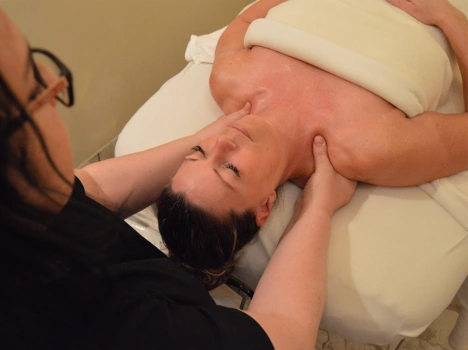
Massage Therapy
A 2015 study found that multiple massage styles were beneficial for managing fibromyalgia symptoms. Massage styles included manual lymphatic drainage, myofascial release, shiatsu, and Trager.
While each style proved effective for different symptoms, a general summary showed relief for pain, anxiety and depression, stiffness, fatigue, and sleep issues.
Another study found that shiatsu was especially beneficial alongside standard medications, from reducing pain intensity to improving sleep quality.
Some individuals with fibromyalgia may be sensitive to deep pressure, so communication between therapist and client throughout treatment is essential for comfort and safety.
Craniosacral Therapy
A 2024 study examined sleep disturbance in fibromyalgia patients and found that craniosacral therapy with Bowen therapy improved sleep quality.
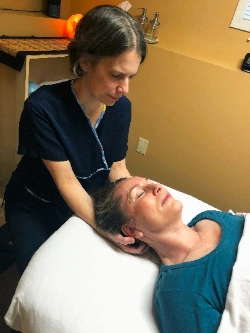 Craniosacral therapy involves manipulating cerebrospinal fluids. The practitioner will apply light pressure through specific hand placement to manipulate the fascial system and the flow of fluid.
Craniosacral therapy can be ideal for those who are sensitive to touch and prefer an extremely gentle approach.
The practice is performed with the client fully clothed and may be especially useful for trauma-informed care, where its gentle nature may feel more comfortable.
Yoga
Exercise and activity can be a great way to manage fibromyalgia symptoms. My Alberta Health recommends individuals with fibromyalgia should pace themselves and start slow if they are not already regularly active.

Recommended activities include yoga and tai chi, as they are gentle yet effective forms of exercise.
Different types of yoga may be appropriate, depending on the desired outcome. Yin yoga can be a good place to begin, as it uses slow movements and poses.
A 2021 study found that exercise was helpful in improving sleep quality in fibromyalgia patients, especially "meditative" exercises such as tai chi and yoga!
Reiki
Individuals with fibromyalgia may find that weekly reiki sessions can positively benefit their pain and quality of life, especially those who prefer minimal physical contact.
Reiki is a non-invasive Japanese energy technique that focuses on the body's ability to heal itself. Reiki energy flows through the practitioner as they lightly lay their hands on specific points of the client's body to look for "hot spots" or energy disruptions to resolve.

Reiki may also be performed virtually (often called distance reiki) if you prefer to try a session from the comfort of your home.
Watch our All About Reiki recorded webinar to learn more about reiki, including misconceptions about energy work and what to expect.
Find a Practitioner
If you are living with fibromyalgia, consider trying these holistic health therapies. Some of your treatments may even be covered by insurance.
Visit our Member Directory to find a practitioner in your area, and follow us on social media to stay up to date on the latest credible holistic health research.